
Strandzha Farm: Biocultural Heritage in a Living Agroforestry Landscape
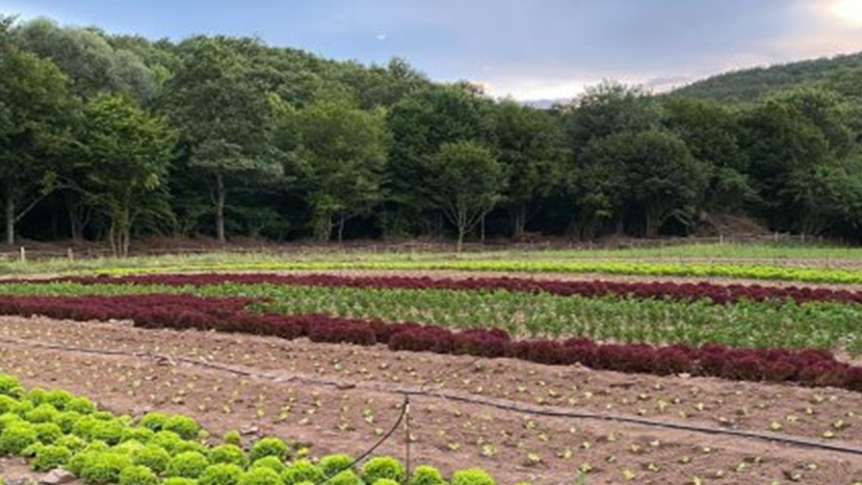
Strandzha Farm in Bulgaria is situated in a unique biocultural landscape where traditional ecological knowledge, rural heritage and nature conservation remain closely connected. The Strandzha Mountain region has long been shaped by a mosaic of forests, pastures, forest edges, riparian strips, small fields, gardens and beekeeping traditions.
This landscape reflects the continuity of two traditional agroforestry systems, silvopastoral farming and forest farming. Extensive grazing with sheep, cattle and goats helps maintain semi-open habitats, while forest resources, herbs, vegetable gardens and beekeeping support diversified farm livelihoods. Honey production, including honeydew, acacia, herbal and polyfloral honey, is an important part of this local heritage.
Today, Strandzha Farm shows how cultural heritage can support modern agroforestry. By combining trees, grasslands, livestock and bees, the farm contributes to biodiversity, climate resilience, landscape management and nature-based rural development.
This blog article is the result of collaborative work carried out by the Czech Living Lab on the topic of Culture and Heritage, with the support and input of project partners and Living Lab leaders across the ReForest project.
 Bulgarian
  English
  German
  French
  Spanish
  Danish
  Hungarian
  Czech
Czech  Dutch
Dutch